CARBON IS NOT JUST CARBON
23%, 80%, 95% or 100% carbon. UD or 3K. High Modulus. What does it actually mean and why can two shafts with the same flex feel completely different?
If you're a floorball nerd, you've probably done it. Picked up two sticks with the same length and flex, bent them against the floor and immediately thought: "These don't feel the same." And you're right.
The flex number printed on the shaft only tells part of the story. To really understand how a shaft behaves, you need to look inside it. Carbon content matters. But so do the type of carbon fiber, fiber orientation, glass fiber reinforcement, resin content and perhaps most importantly, how all those materials are combined.
WELCOME INSIDE THE SHAFT.
FIRST: CARBON FIBER IS A MATERIAL. A SHAFT IS A COMPOSITE.
We often compare floorball sticks by their carbon percentage. While carbon content matters, it only tells part of the story.
A floorball shaft isn't made from carbon fiber alone. It's a composite structure in which carbon fibers, resin and sometimes glass fiber are combined in multiple layers to achieve specific performance characteristics.
The resin acts as the binding material within the composite. It surrounds the fibers, holds them in place and helps transfer loads between them. The reinforcing fibers provide much of the strength and stiffness, while the resin allows the structure to work as a unified whole.
The type of fiber, the orientation of each layer and the overall laminate design all influence how the shaft behaves under load. That's why two shafts can contain similar amounts of carbon fiber yet still feel completely different in your hands. Carbon fiber is a material. A shaft is an engineered composite.
And that's where things get interesting.
NOT ALL CARBON FIBER IS THE SAME
Many players talk about carbon fiber as if all carbon is identical.
It isn't.
Carbon fiber is available in different grades and modulus levels, each offering unique mechanical characteristics.
Higher modulus carbon fibers are generally stiffer and can contribute to lower overall weight, making them a common choice in premium lightweight constructions. These fibers are typically more expensive and require careful engineering to balance performance, durability and feel.
Other carbon fiber grades may offer different combinations of strength, stiffness and robustness depending on the objectives of the construction.
That's why two shafts made entirely from carbon fiber can still differ significantly in weight, response and overall playing characteristics.
The carbon percentage alone never tells the full story.
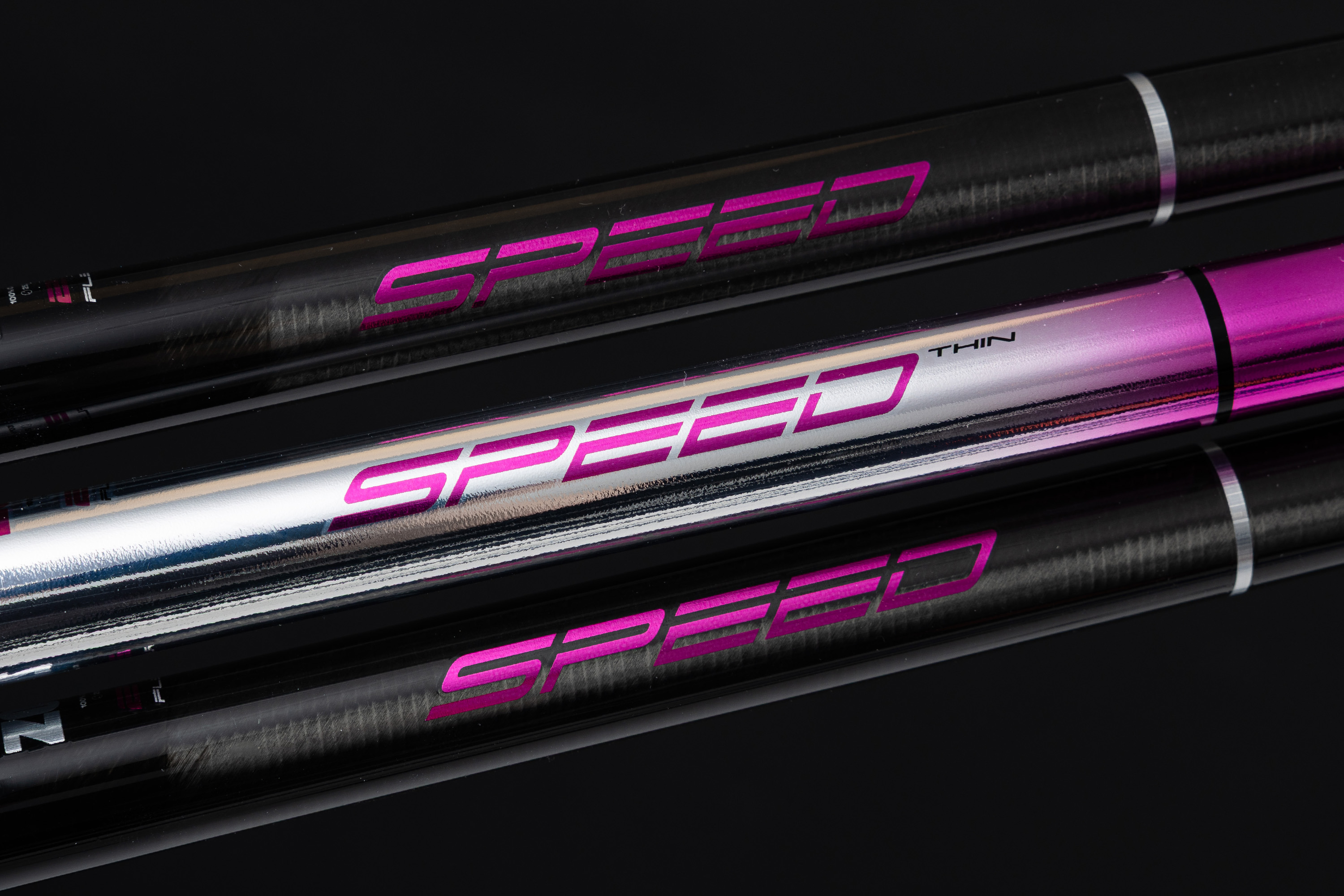
WHAT IS UD CARBON IN A FLOORBALL SHAFT?
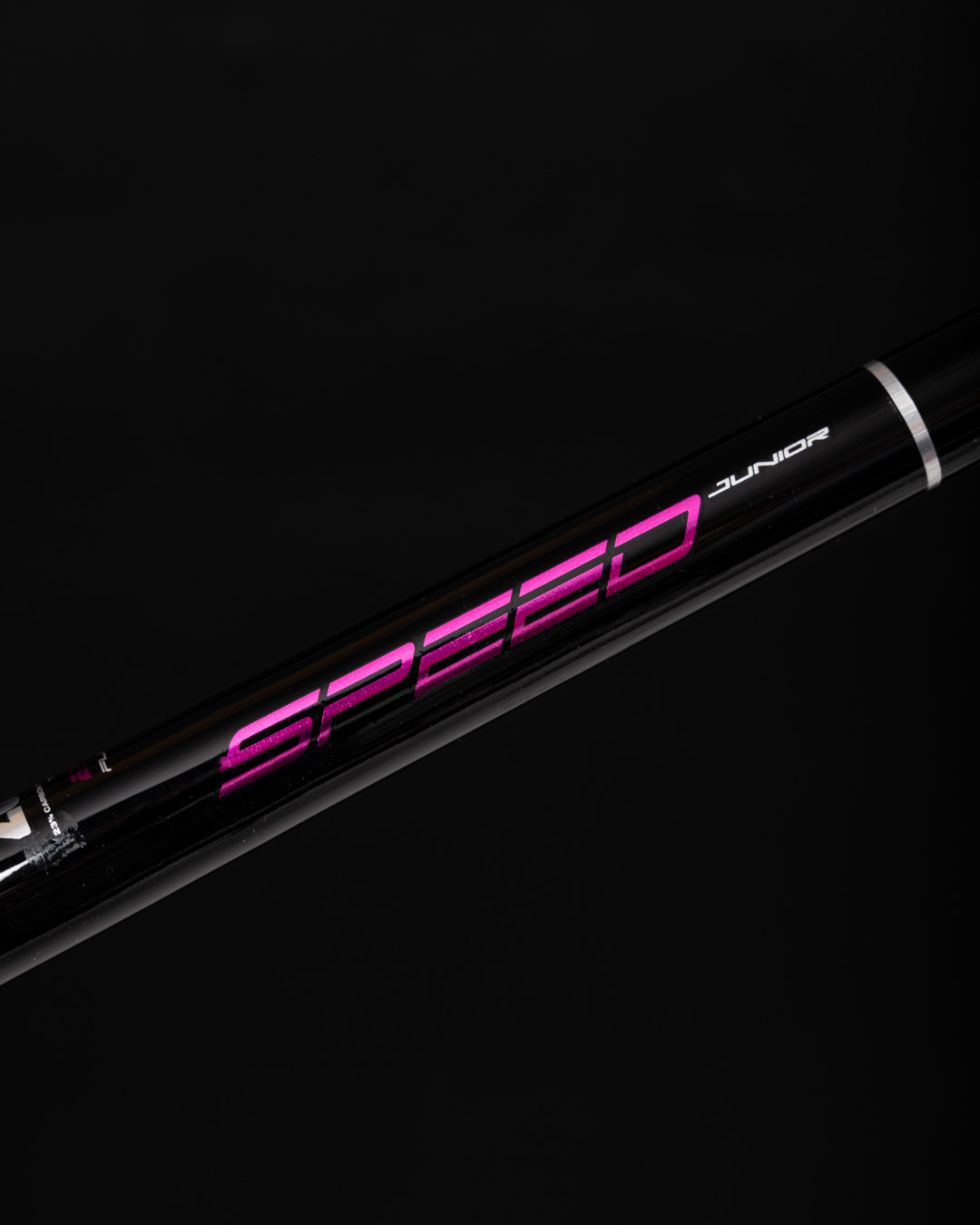
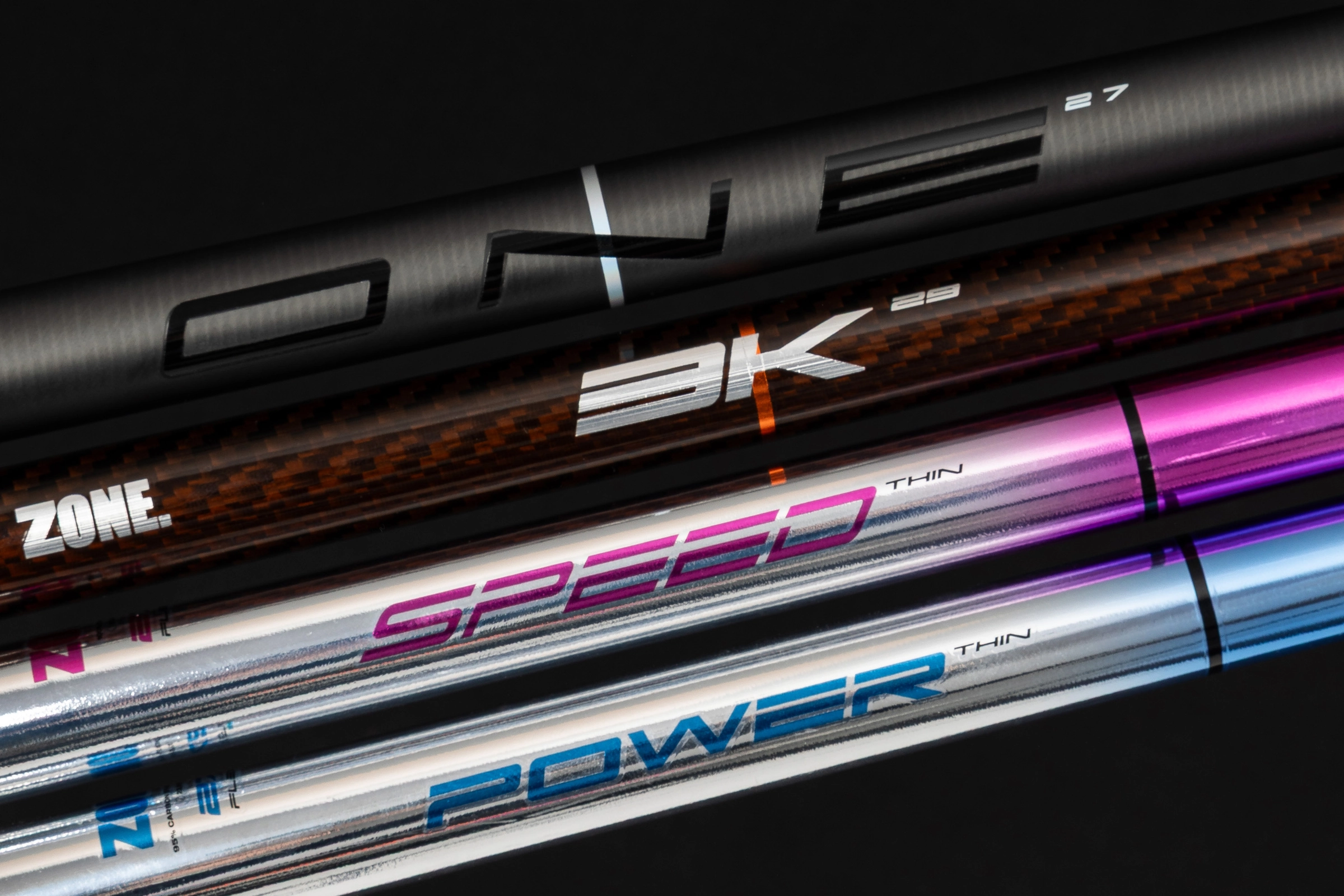
SPEED is built using a laminate construction based entirely on unidirectional carbon fibre reinforcement, commonly referred to as UD carbon.
Unidirectional means that the fibers in an individual layer run predominantly in one direction rather than being woven together. Carbon fiber is extremely strong and stiff along the direction of the fibers.
By positioning UD layers at different angles throughout the shaft, engineers can influence how the construction handles different types of loads. Longitudinal layers contribute significantly to bending stiffness, while angled layers can influence torsional behaviour, stability and overall feel. The finished shaft is therefore not simply a tube of carbon fiber. It's a carefully engineered laminate in which every layer contributes to the final performance.
That construction is one reason SPEED can combine low weight with a responsive and balanced playing experience.
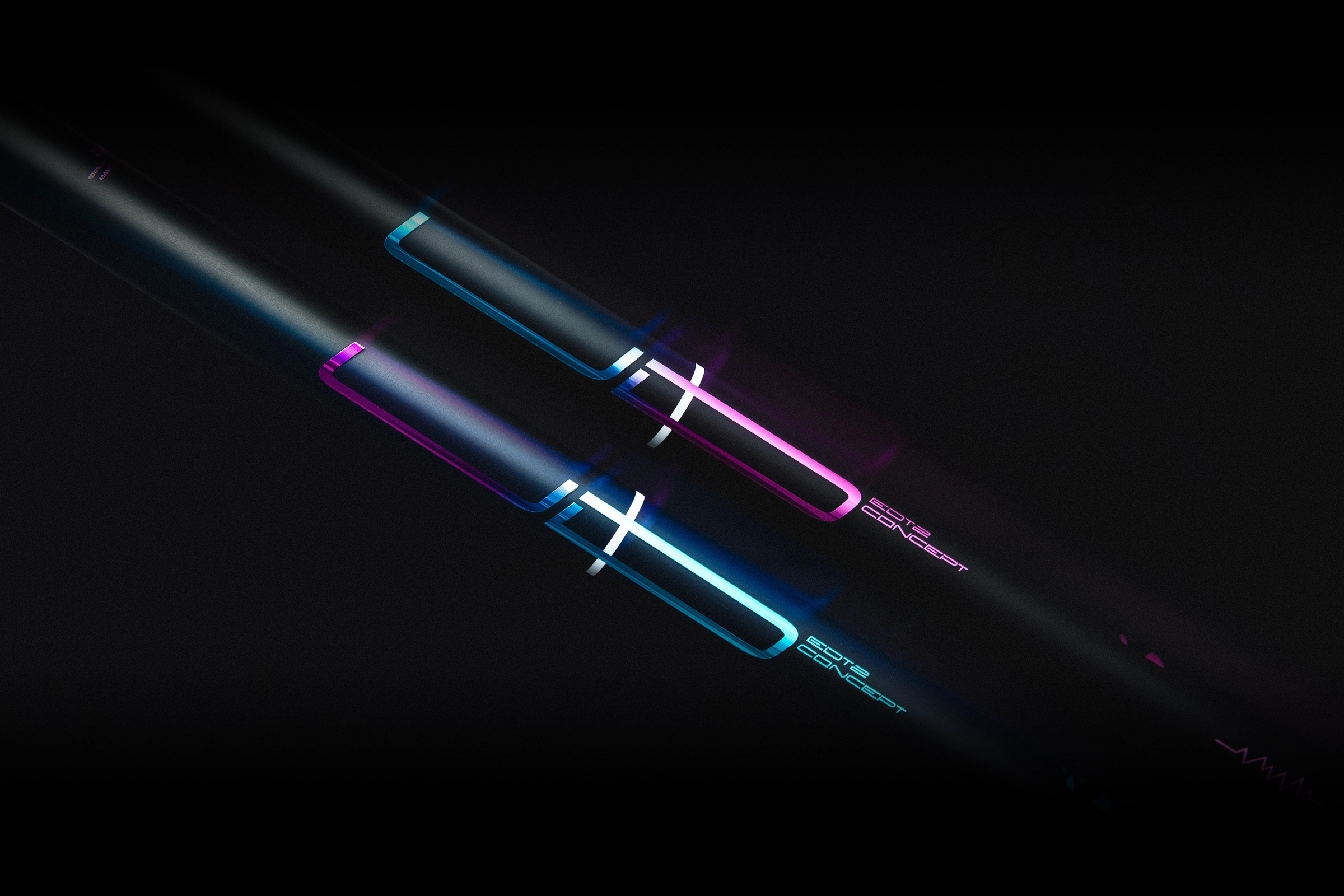
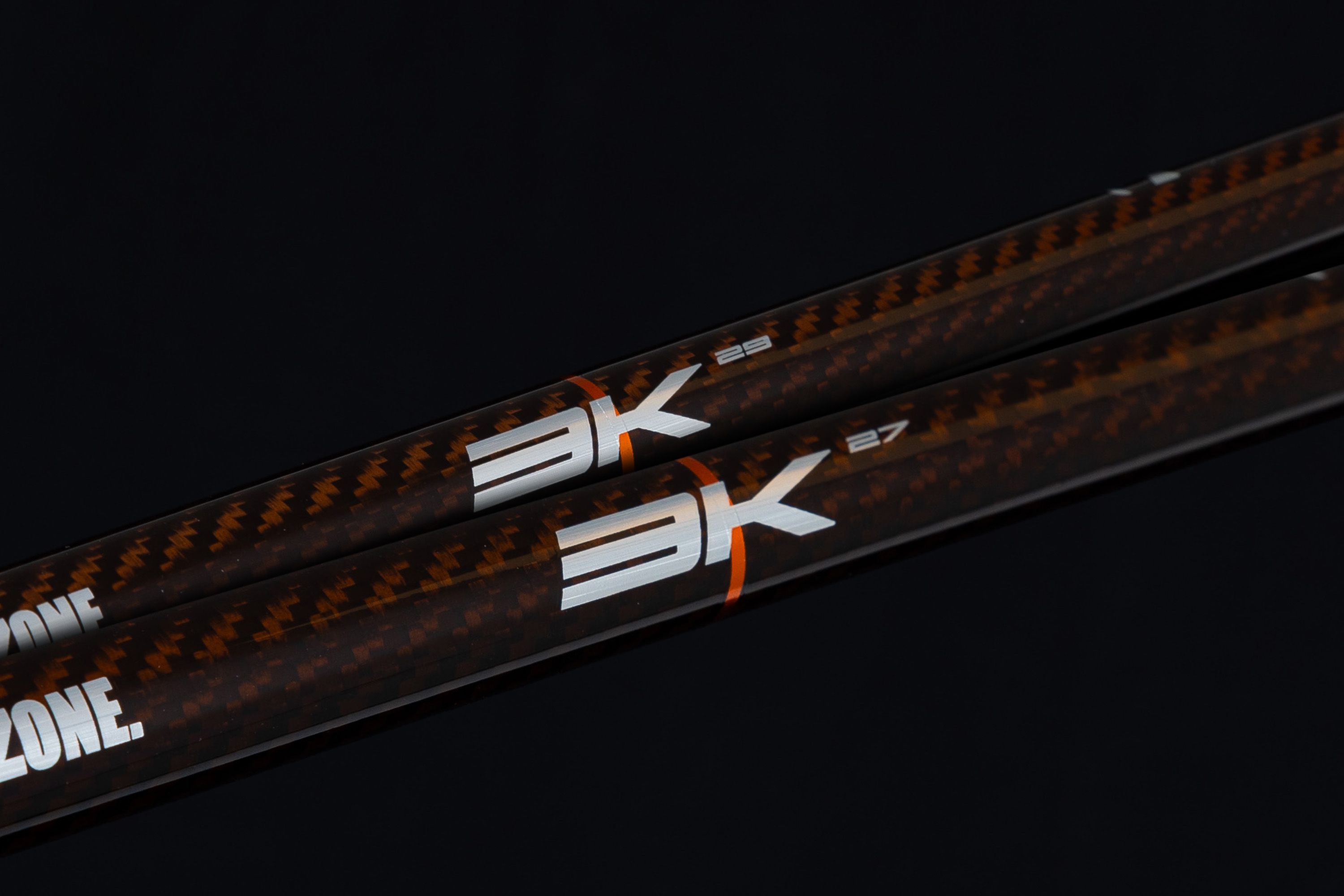
WHAT IS 3K CARBON IN A FLOORBALL SHAFT?
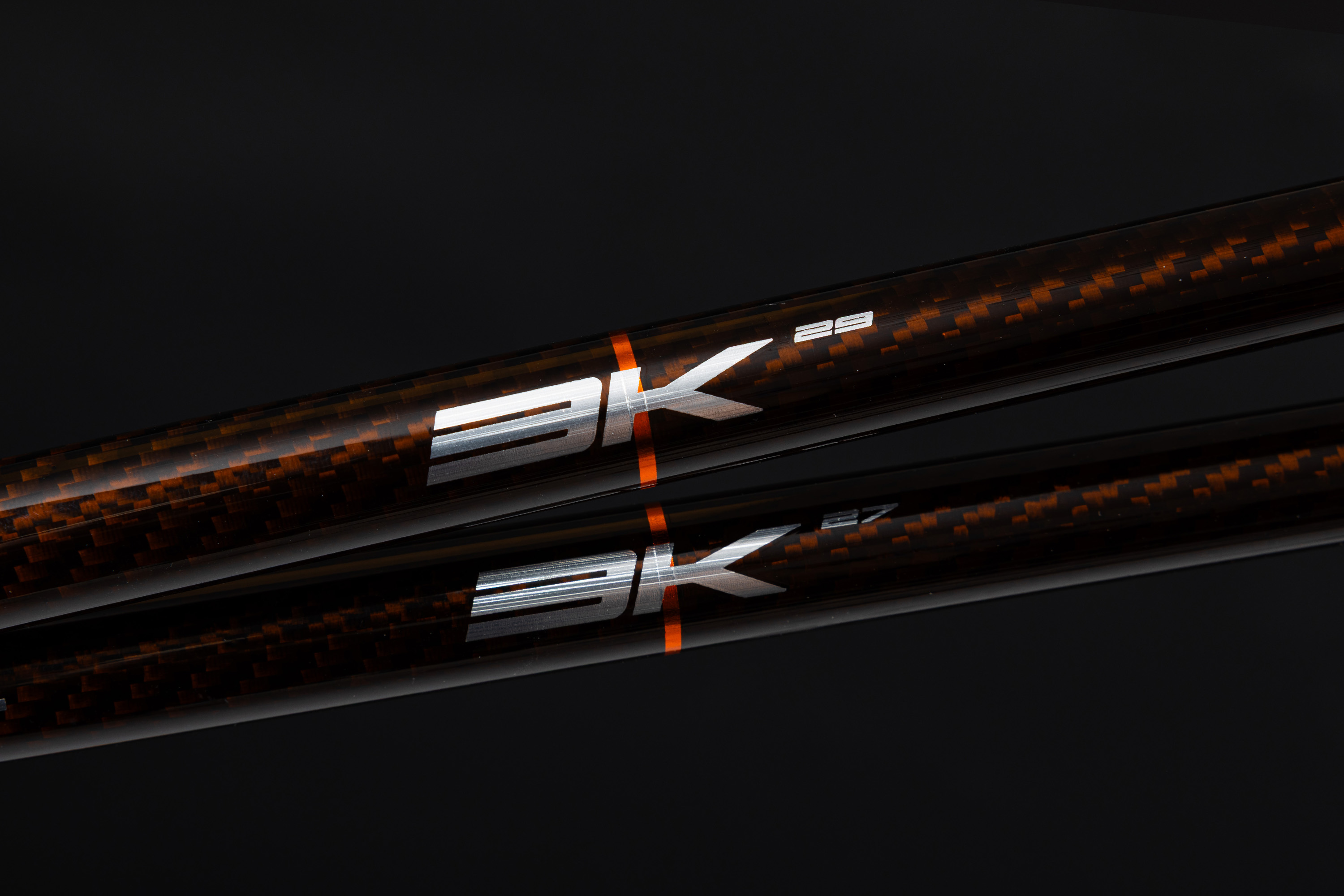
If you've ever seen the classic checkerboard carbon pattern, you've probably been looking at woven carbon fiber.
The term 3K refers to the fibre tow itself. A 3K tow contains approximately 3,000 individual carbon filaments that are grouped together before being used in the manufacturing process. The visual appearance is often what players notice first, but the pattern itself doesn't automatically determine how a shaft performs.
What ultimately influences performance is the complete laminate design. Fiber orientation, layer placement, material selection and overall construction all contribute to how a shaft bends, twists, stores energy and recovers during play.
That's why two shafts can use similar carbon materials yet still behave very differently on the court. The performance characteristics come from the way the shaft is engineered, not from the weave pattern alone.
WHY IS GLASS FIBER USED IN FLOORBALL SHAFTS?
If carbon fiber is lighter and stiffer, why do we deliberately incorporate glass fiber into some shafts? Because shaft design isn't a competition to achieve the highest possible carbon percentage. Glass fiber is a reinforcing material made from extremely thin strands of glass embedded within a resin matrix, much like carbon fiber composites.
Compared with carbon fiber, glass fiber is generally heavier and less stiff. However, it can contribute advantages in durability, impact resistance and overall robustness. By combining carbon fiber and glass fiber in different proportions, engineers can fine tune performance based on the intended characteristics of the shaft.
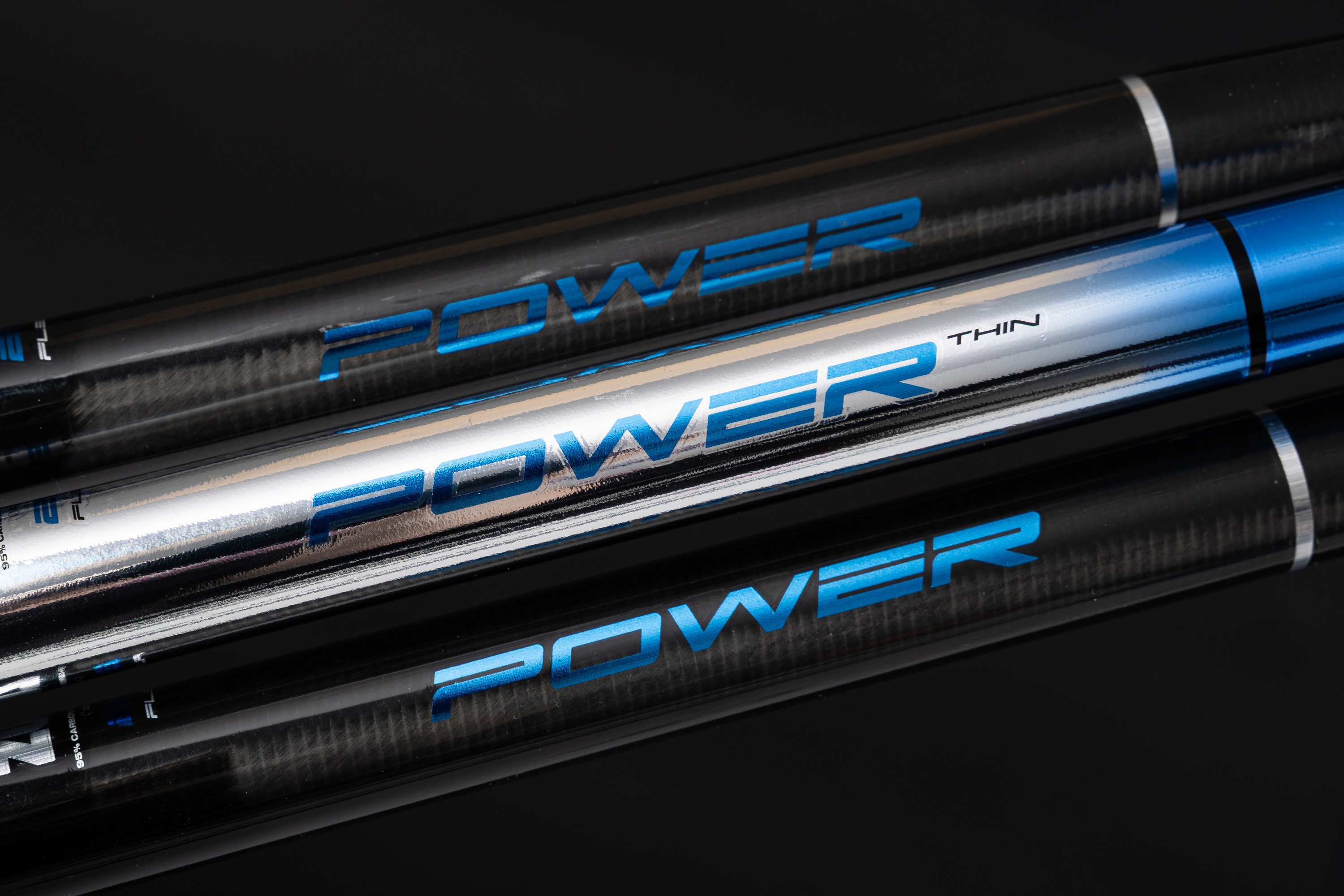
80% carbon fiber / 20% glass fiber
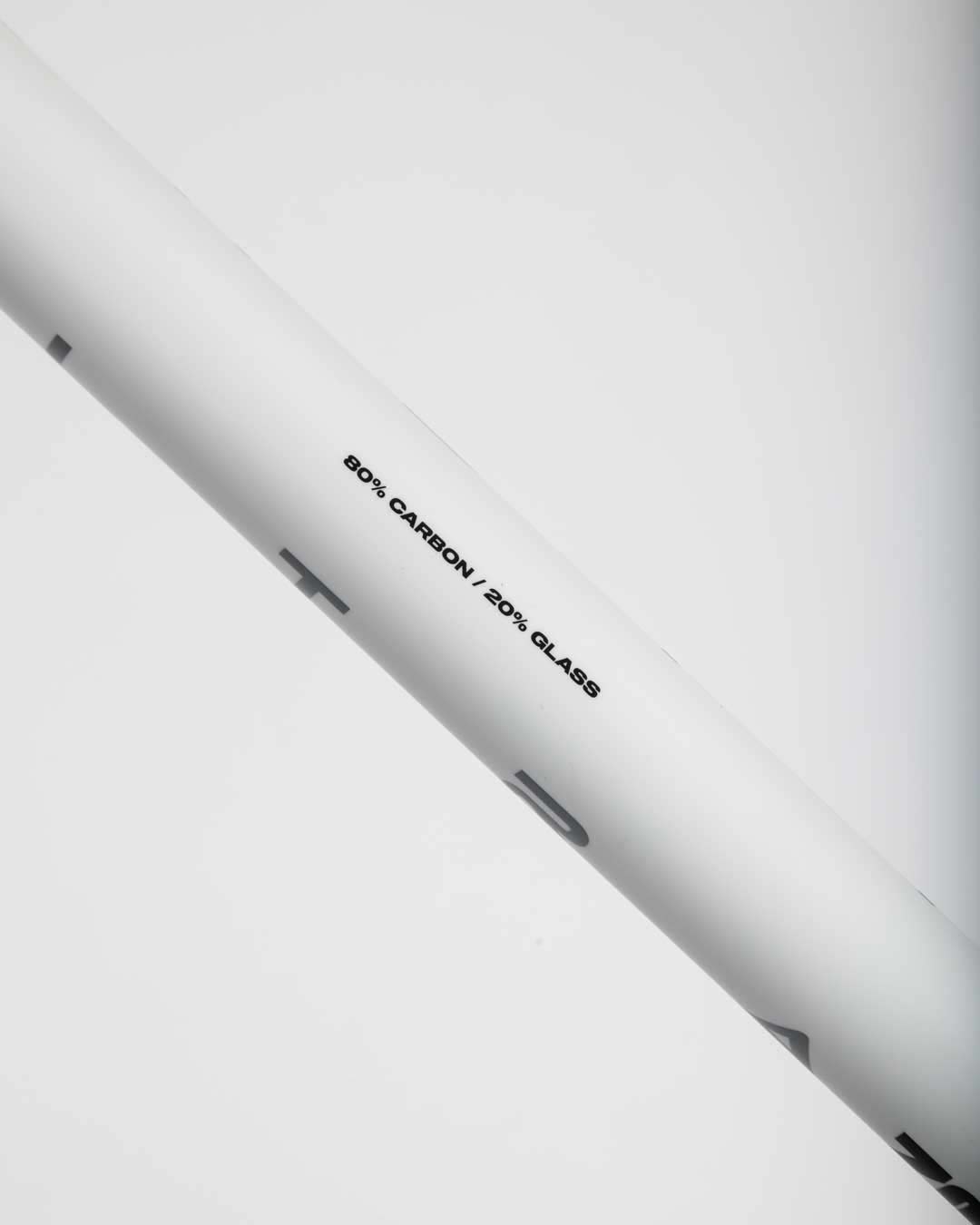
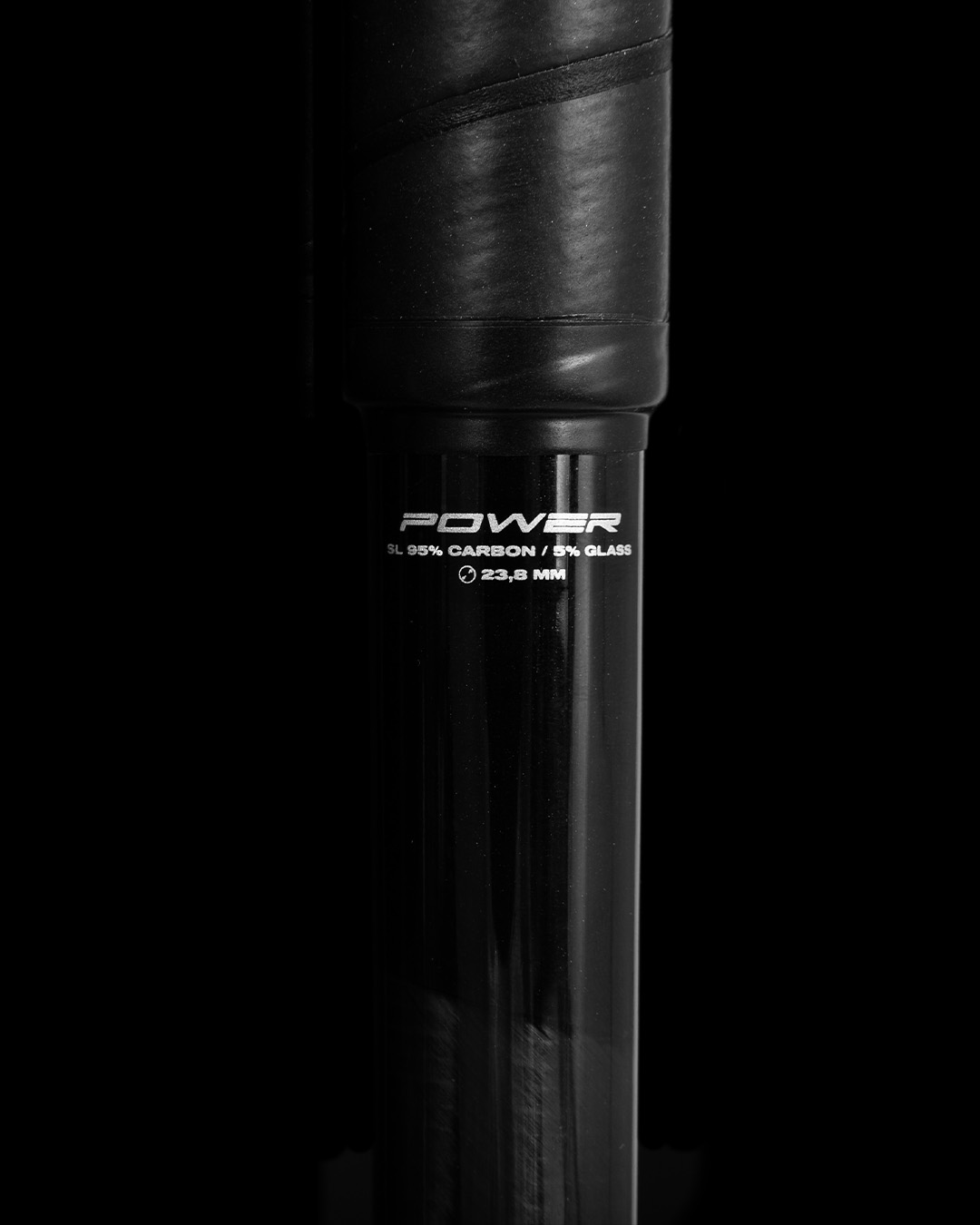
95% carbon fiber / 5% glass fiber
23% carbon fiber / 77% glass fiber
These are not simply different price points. They are different composite recipes. Changing the relationship between carbon fiber and glass fiber can influence weight, durability, responsiveness and the overall character of the shaft.
80/20 VS 95/5: SMALL NUMBERS, BIG DIFFERENCE
On paper, the difference between ULTRALIGHT and POWER may appear small - 80/20 versus 95/5.
But those numbers represent very different composite constructions. Increasing the proportion of carbon fiber changes the material available to carry loads throughout the shaft. At the same time, reducing the amount of glass fiber changes the behaviour of the laminate.
The result is that POWER can move further towards the lightweight and responsive characteristics commonly associated with carbon fiber, while ULTRALIGHT retains a different balance of performance characteristics through its unique material composition.
Neither ratio exists by accident. They are simply different engineering solutions designed to achieve different performance goals.
WHAT DOES FLEX MEAN IN A FLOORBALL STICK?
This is probably the most important point for anyone who cares about equipment.
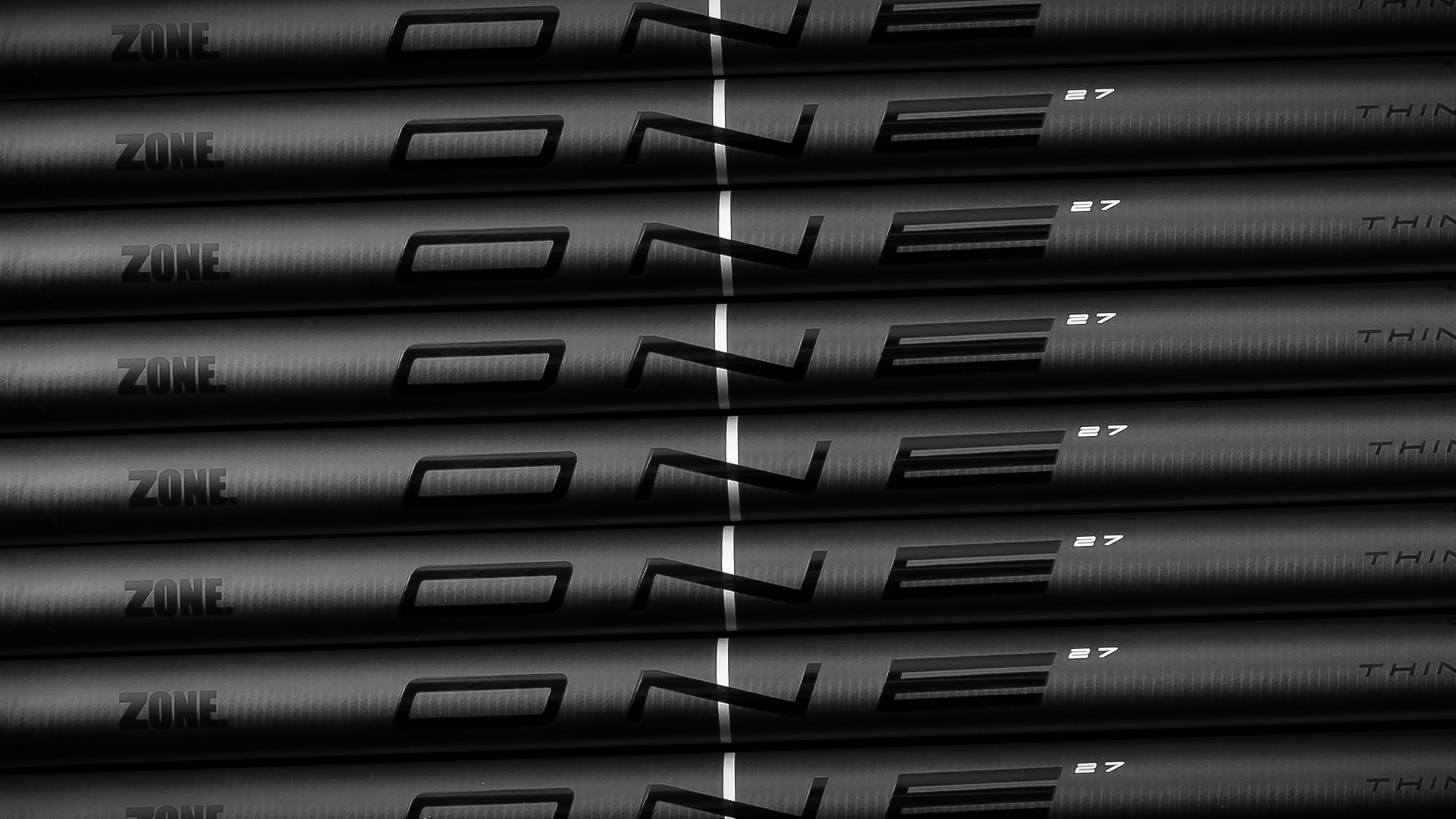
A 27 flex isn't simply a 27 flex.
Flex describes how much a shaft bends under a defined load according to the measurement standards used within floorball. What it doesn't fully describe is the shaft's dynamic behaviour.
Imagine two shafts with the same nominal flex rating. They may reach a similar measured deflection in a laboratory test while still feeling noticeably different during a wrist shot, slap shot or quick pass.
Players don't use floorball sticks under static laboratory conditions.
We accelerate them, twist them, load them, release them.
That's where differences in material selection, fiber orientation and laminate design become noticeable.
BENDING AND TORSIONAL STIFFNESS IN FLOORBALL SHAFTS
A floorball shaft doesn't only bend. It twists. During shooting, passing and ball handling, forces rarely travel perfectly through the centreline of the shaft. The construction therefore needs to manage both bending stiffness and torsional stiffness. These properties are related, but they are not the same. By changing fiber orientations, engineers can influence torsional behaviour without necessarily producing the same change in bending stiffness. This is another reason why two shafts with similar flex ratings can still feel quite different in actual play.
WHAT HAPPENS TO THE FLOORBALL STICK WHEN YOU CUT THE SHAFT?
Shortening a shaft changes more than just its length. The more you cut a shaft, the stiffer it will typically feel. Reducing length changes how much the shaft is able to bend under load, but that's only part of the story.
Every shaft is developed around a specific combination of length, flex and construction. The materials, layer orientations and laminate design are engineered to work together under those original conditions. When the shaft is shortened, those conditions change.
The resulting shaft may behave differently in terms of flex, response and overall feel. Durability can also be influenced as the loading characteristics of the construction change.
So when you cut a shaft, you're changing more than its dimensions.
You're changing how it performs.
HOW SHAFT WEIGHT AFFECTS A FLOORBALL STICK
Reducing shaft weight sounds simple. Just remove material.
Except you still need a shaft capable of handling the demands of floorball. That's the challenge behind lightweight engineering.
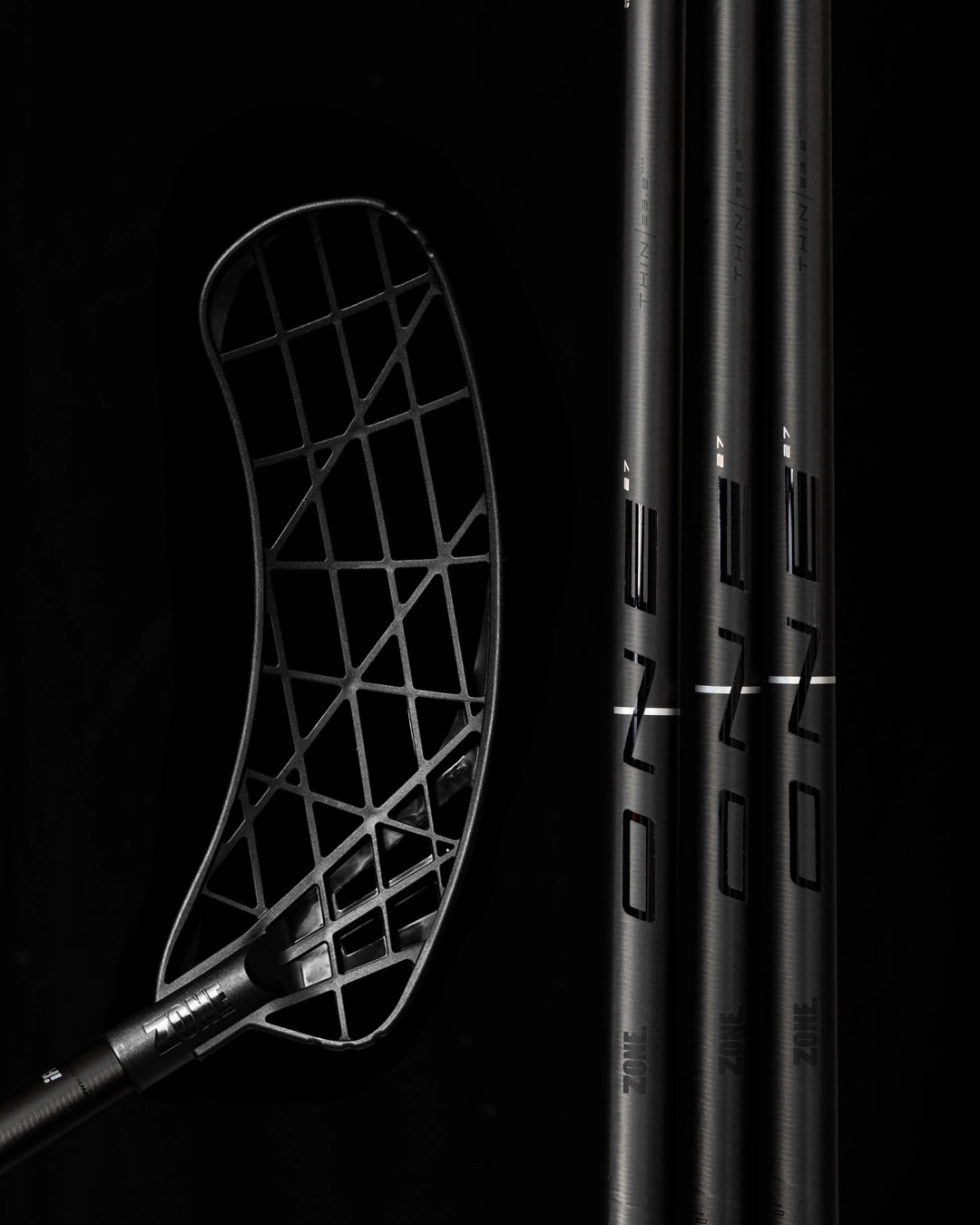
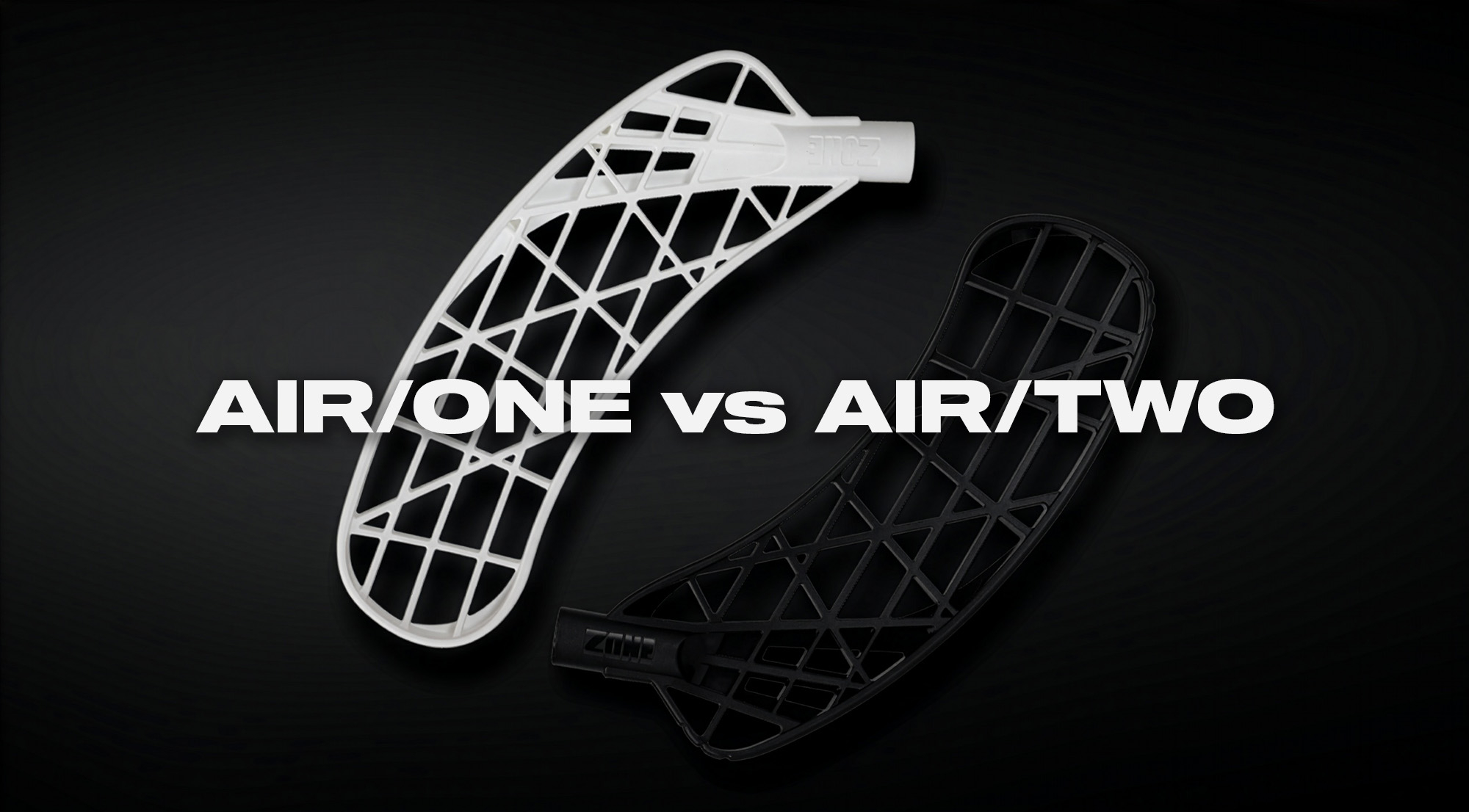
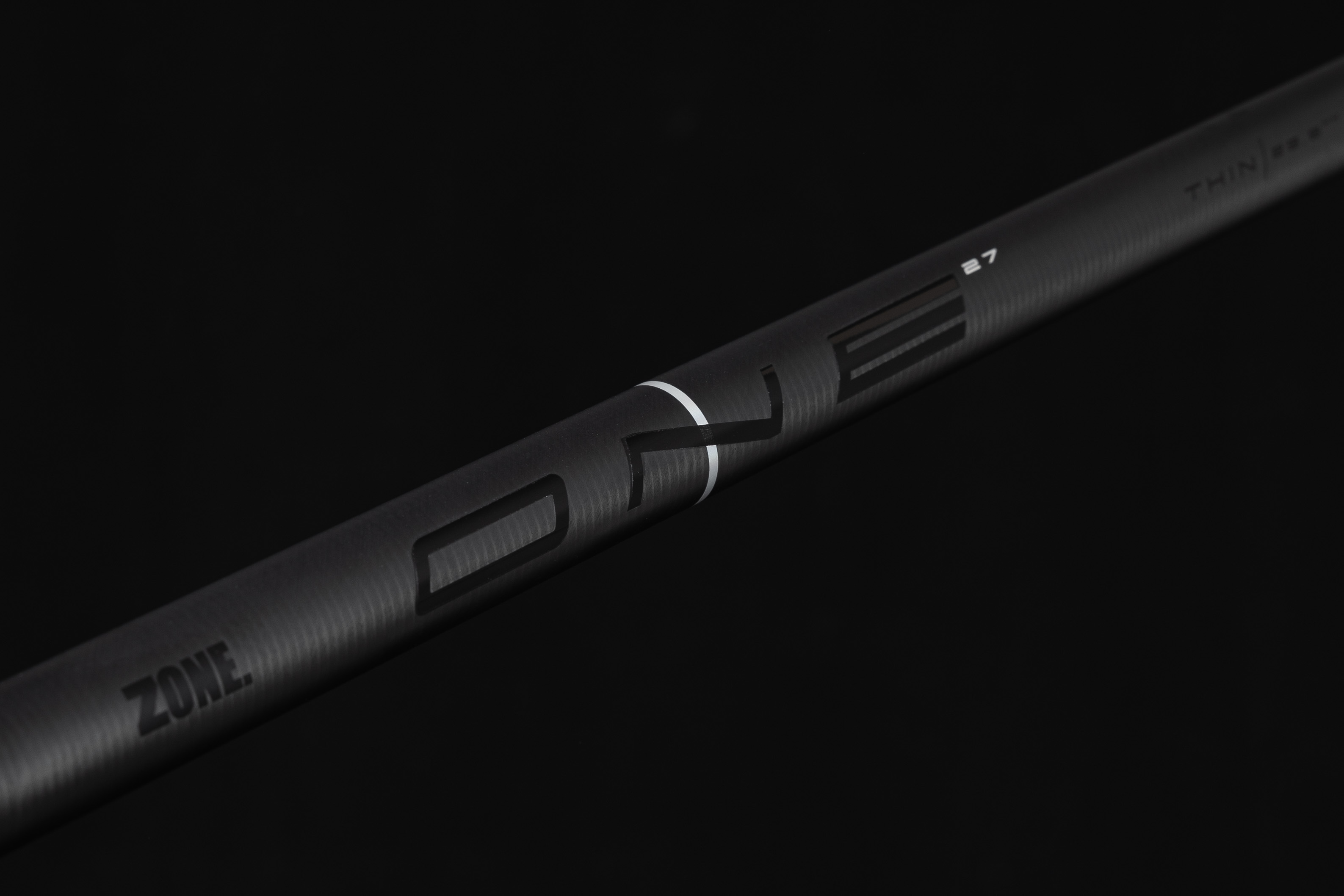
At the extreme end of our range sits ONE.
ONE isn't simply a lightweight shaft attached to a standard stick. The entire stick is treated as a complete system.
Shaft, blade, grip, end cap. Every gram matters.
Combined with AIR/ONE, the result is a complete stick weighing just 163 grams in its specified configuration. At that point, you're no longer optimizing individual components.
You're optimizing the entire stick.
SO WHICH CARBON IS BEST?
Wrong question. The better question is:
What kind of performance are you looking for?
UD constructions, woven constructions, different carbon fiber grades, varying glass fiber content and alternative laminate designs are not simply different amounts of the same material. They are different ways of engineering a floorball shaft.
Carbon percentage tells you something. Flex tells you something. Weight tells you something.
But none of them, on their own, tell you exactly how a stick will feel. For that, you need to understand the construction. Or do what floorball nerds have always done. Pick it up. Flex it. Take a shot. And immediately know.